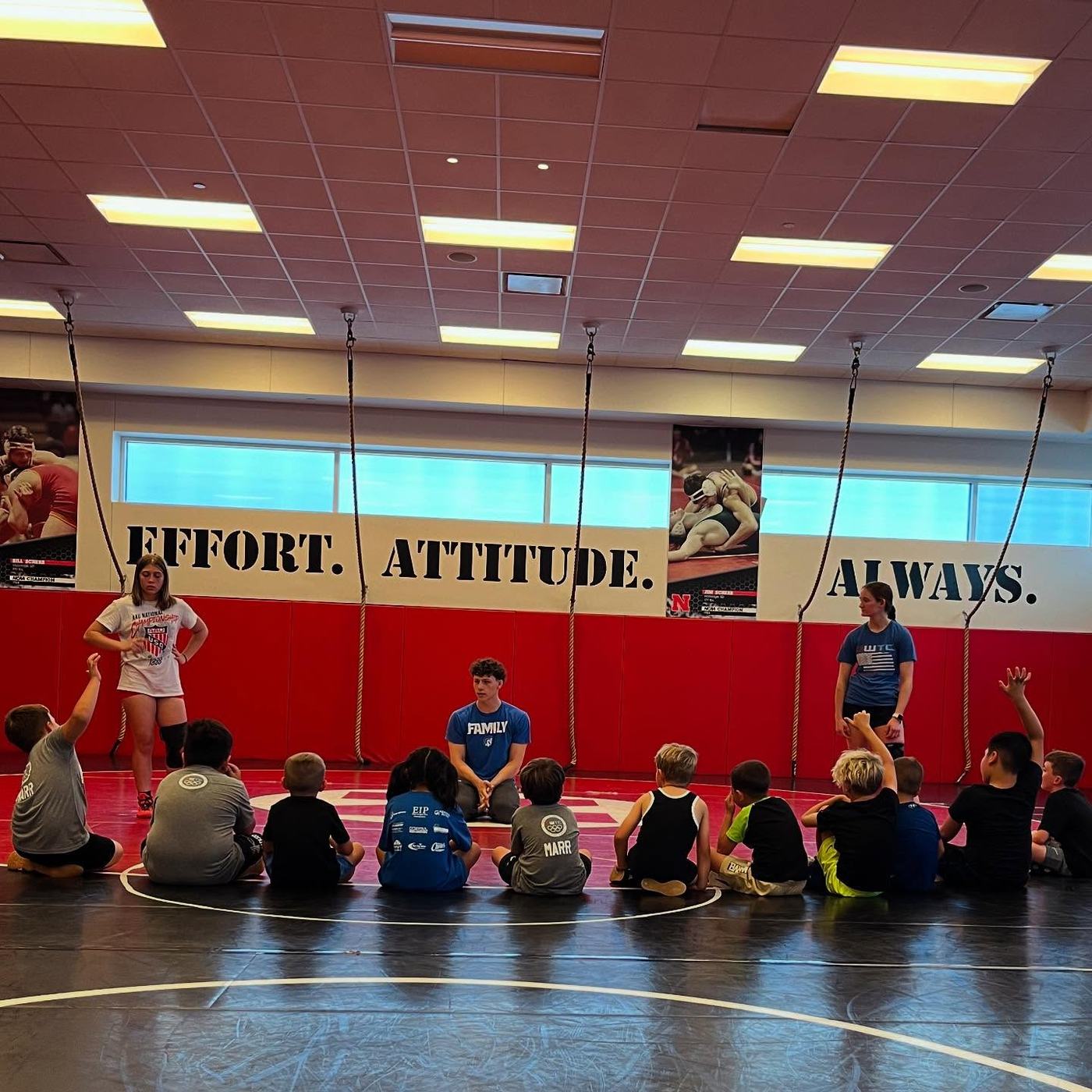
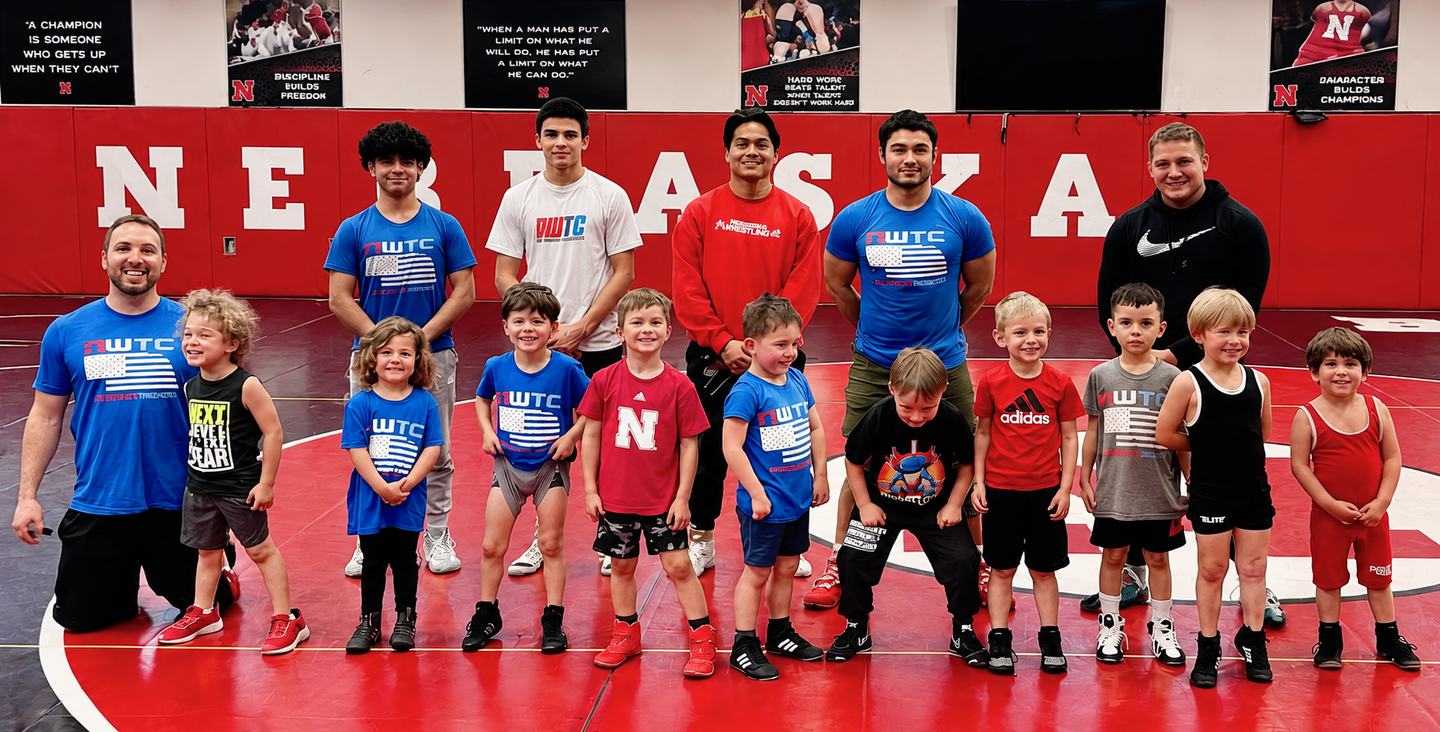
Wrestling is often viewed as a sport defined by competition, technique, and winning matches. While those elements are important, the greatest lessons young athletes learn often happen beyond the scoreboard.
For many kids, stepping onto the wrestling mat is the beginning of a journey that teaches them how to handle challenges, work toward goals, build confidence, and develop character. The habits created through wrestling training can influence how children approach school, relationships, and future challenges.
At Nebraska Wrestling Training Center, the focus extends beyond developing skilled wrestlers. The goal is to help athletes build the discipline, resilience, and mindset needed to succeed both on and off the mat.
Here are 10 life lessons wrestling teaches kids that last far beyond competition.
1. Resilience: Learning How to Bounce Back
Every wrestler faces challenges. A tough practice, a difficult opponent, or a disappointing result can test an athlete’s confidence and determination.
Wrestling teaches kids that setbacks are part of growth. A loss is not the end of the journey. Instead, it becomes an opportunity to learn, adjust, and improve.
Young athletes discover that progress does not happen overnight. It comes from continuing to show up, putting in effort, and learning from every experience.
This resilience helps children handle challenges outside wrestling, whether it is a difficult assignment at school, a personal obstacle, or a new experience that feels uncomfortable.
2. Discipline: Building Strong Habits Through Consistent Effort
Success in wrestling requires commitment. Athletes must consistently practice techniques, listen to coaching, and put in the work needed to improve.
These habits teach children that meaningful results come from dedication and consistency. A wrestler learns that one great practice is not enough. Improvement happens through small actions repeated over time.
The discipline developed in wrestling can help kids create stronger habits in everyday life, including managing responsibilities, staying focused, and following through on commitments.
3. Confidence: Believing in Yourself Through Challenge
Confidence is not built by avoiding difficult situations. It is built by facing them.
Wrestling gives children opportunities to challenge themselves, learn new skills, and overcome fears. Each technique mastered and each challenge overcome helps athletes develop trust in their own abilities.
A young wrestler who learns to stay composed during competition often becomes more confident in other areas of life as well.
The confidence gained through wrestling can help children speak up, try new things, and approach challenges with a positive mindset.
4. Accountability: Taking Ownership of Growth
Wrestling teaches athletes that improvement starts with personal responsibility.
Coaches provide instruction and support, but athletes must apply what they learn. They must take ownership of their preparation, effort, and attitude.
This lesson helps children understand that their choices influence their progress. Whether they are working toward athletic goals or personal goals, accountability becomes an important part of growth.
5. Goal Setting: Turning Dreams Into Action
Many young athletes dream of winning championships or reaching the highest levels of competition. Wrestling teaches them how to turn those dreams into achievable steps.
A wrestler may begin by improving one technique, building strength, or becoming more confident during practice. Over time, those small improvements create larger results.
Learning how to set goals and work toward them gives children a valuable skill they can use throughout their lives.
6. Respect: Competing With Character
Wrestling is an intense sport, but it is built on respect.
Athletes learn to respect their coaches, teammates, opponents, and the sport itself. They learn that competition is about challenging themselves while recognizing the effort of others.
Respect teaches children how to compete with integrity and treat people positively, regardless of the outcome of a match.
These lessons help young athletes become better teammates, leaders, and members of their communities.
7. Emotional Control: Staying Focused Under Pressure
Wrestling requires athletes to make decisions in stressful situations. A single moment can change the outcome of a match, which makes focus and emotional control essential.
Through training and competition, wrestlers learn how to manage frustration, recover from mistakes, and stay calm under pressure.
These skills extend beyond the mat. Children who learn emotional control are better prepared to handle difficult situations and respond thoughtfully instead of reacting immediately.
8. Problem Solving: Learning to Adapt and Adjust
Wrestling is not only physical. It is also strategic.
Athletes must analyze situations, recognize opportunities, and make adjustments throughout a match. Every opponent presents a different challenge that requires creativity and focus.
This problem solving mindset helps children become more adaptable. They learn that challenges can be approached with patience, preparation, and determination.
9. Humility: Learning From Success and Failure
Wrestling teaches children how to handle both victories and defeats.
A win is an opportunity to celebrate progress, but it is also a reminder that there is always more to learn. A loss provides valuable feedback and a chance to improve.
This balance helps athletes develop humility. They learn to accept coaching, appreciate others, and continue growing regardless of their results.
10. Perseverance: Staying Committed Through Difficulty
Wrestling rewards those who continue working even when progress feels slow.
Learning a new skill, preparing for competition, and improving as an athlete all require patience and dedication. Young wrestlers discover that difficult moments are often where the greatest growth happens.
Perseverance teaches children that challenges are temporary and that consistent effort can lead to meaningful achievement.
The Lessons That Last Beyond the Mat
The true value of wrestling is not only measured by wins, championships, or accomplishments. The lessons athletes learn through training can shape who they become long after their time in competition ends.
Wrestling helps children develop resilience, confidence, discipline, accountability, and character. These qualities can influence how they approach challenges throughout their lives.
At Nebraska Wrestling Training Center, athletes are given the opportunity to grow through high quality coaching, structured training, and a community focused on development both on and off the mat.
Ready to help your child build confidence, discipline, and wrestling skills? Contact Nebraska Wrestling Training Center to learn more about youth and high school training programs designed to develop athletes and individuals.